
Japanese closed terrariums transcend mere containers; they embody a meticulous aesthetic, drawing on centuries of Japanese artistry and appreciation for miniature landscapes. This unique style blends meticulous plant selection with mindful design principles, creating self-contained ecosystems that are both beautiful and inspiring. From the precise arrangement of rocks and plants to the selection of natural materials, each element contributes to a harmonious and captivating whole.
This in-depth exploration delves into the core principles of Japanese closed terrariums, from defining their unique aesthetic characteristics to understanding the meticulous plant selection, material choices, and design considerations. We’ll also analyze the cultural and historical influences that have shaped this distinctive style, examining its evolution and contemporary interpretations.
Defining the Aesthetic
The Japanese closed terrarium aesthetic, a captivating blend of nature and artistry, offers a unique approach to miniature landscapes. It transcends mere container gardening, evoking a sense of tranquility and meticulous detail reminiscent of traditional Japanese aesthetics. This style, deeply rooted in Japanese culture, showcases a harmonious balance between the natural world and human artistry.This aesthetic distinguishes itself from other terrarium styles through its emphasis on miniature, naturalistic representations of Japanese gardens and landscapes.
Key characteristics include an appreciation for simplicity, harmony, and the subtle beauty found in nature’s intricate details.
Key Characteristics
The defining features of the Japanese closed terrarium aesthetic stem from centuries of cultural and artistic traditions. A meticulous approach to design, focusing on carefully curated miniature elements, is central. This contrasts with the often more casual and free-form approaches seen in Western terrarium styles. The use of natural materials, emphasizing their intrinsic beauty, further distinguishes it.
Cultural and Historical Influences
The aesthetic is deeply influenced by Japanese Zen gardens and the concept ofwabi-sabi*, an appreciation for imperfection, transience, and the beauty of natural processes. The emphasis on minimalist design and natural materials reflects a profound respect for nature and the harmony between human and the environment. The influence of traditional Japanese art forms, such as bonsai and ikebana, is evident in the meticulous arrangement of miniature elements.
Common Materials and Elements
Japanese closed terrariums typically utilize a wide range of natural materials. These include meticulously selected stones, driftwood, miniature figurines, and carefully chosen plants. The selection of plants is crucial, focusing on species that thrive in confined spaces and complement the overall design. The color palette often features muted tones, mirroring the natural world’s palette, emphasizing earthy browns, greens, and grays.
The deliberate choice of these materials speaks to the importance of creating a serene and balanced microcosm.
Successful Implementations
Numerous examples showcase the successful application of this aesthetic. A meticulously crafted miniature forest, with carefully arranged moss, tiny trees, and miniature streams, perfectly encapsulates the spirit of a Japanese forest. Alternatively, a minimalist design, featuring a single, elegant bonsai tree within a meticulously crafted stone bed, embodies the essence of simplicity and serenity. These examples highlight the potential for diverse interpretations while retaining the core principles of the style.
Comparison Table: Japanese vs. Western Closed Terrariums
| Style | Materials | Design Focus | Aesthetics |
|---|---|---|---|
| Japanese | Natural materials (stones, driftwood, plants), miniature elements | Harmony, balance, simplicity, wabi-sabi | Muted colors, tranquil, minimalist, meticulous |
| Western | Wider variety of materials (including glass, colorful stones), diverse plants | Visual impact, vibrancy, creativity | Often vibrant colors, dynamic compositions |
Design Principles
Japanese closed terrariums, a captivating blend of nature and artistry, meticulously adhere to specific design principles. These principles, deeply rooted in Japanese aesthetics, emphasize minimalism, harmony, and the beauty of natural elements. Their design aims to create a miniature ecosystem that mirrors the serenity and tranquility of the natural world.
Minimalism and Simplicity
Japanese aesthetics often prioritize simplicity and minimalism. This translates to carefully curated components within the closed terrarium. Clutter is avoided, allowing the beauty of individual elements to shine. A minimalist approach focuses attention on the interplay of textures, colors, and forms, rather than overwhelming the viewer with excessive detail. The absence of unnecessary elements underscores the beauty of the chosen components.
Natural Elements
Natural elements, such as rocks, plants, and water features, are integral to the design. The rocks often represent mountains or islands, providing structural elements and visual interest. The choice of plants is critical, emphasizing their natural forms and colors. Water features, whether a small pool or a drizzling waterfall, introduce a sense of dynamism and enhance the miniature ecosystem.
These elements evoke a sense of the natural world, bringing a piece of nature indoors.
Natural Color Palettes and Textures
The color palettes of Japanese closed terrariums typically draw inspiration from nature. Earthy tones, muted greens, and subtle browns are common choices. The textures of the materials used are also crucial, creating a harmonious visual experience. The rough texture of rocks contrasts beautifully with the smooth surfaces of certain plants and water features, adding depth and visual interest to the design.
The interplay of textures and colors emphasizes the natural beauty of the elements.
Harmony and Balance
Harmony and balance are fundamental design principles. Every component within the terrarium is carefully considered to achieve a harmonious aesthetic. The arrangement of elements, from the placement of rocks to the positioning of plants, contributes to the overall visual balance. This balance creates a sense of tranquility and visual appeal, drawing inspiration from the natural world.
Negative Space
Negative space plays a vital role in Japanese closed terrariums. Strategically placed empty areas allow the viewer’s eye to appreciate the forms and textures of the chosen elements. The deliberate use of negative space emphasizes the beauty of the individual components, rather than creating visual clutter. This principle highlights the beauty of simplicity and restraint.
Comparison: Open vs. Closed Terrariums
| Principle | Open Terrarium | Closed Terrarium | Japanese Closed Terrarium |
|---|---|---|---|
| Overall Aesthetic | Open, airy, showcasing growth | Contained, miniature ecosystem | Serene, balanced, highlighting natural elements |
| Plant Selection | Wide variety, focused on visual appeal | Species that thrive in contained environments | Native or aesthetically complementary plants |
| Materials | Varied, including decorative elements | Durable, suitable for long-term containment | Natural materials, minimal intervention |
| Lighting | Often requires supplemental lighting | May need supplemental lighting depending on location | Natural light preferred, minimal artificial light |
| Maintenance | Regular watering and pruning | Controlled environment, potentially reduced maintenance | Emphasis on self-sustaining ecosystem |
Plant Selection
Cultivating a thriving ecosystem within a Japanese closed terrarium hinges critically on the selection of appropriate plant species. Careful consideration of size, light requirements, and water needs is paramount, ensuring a harmonious balance within the confined space. This selection directly impacts the long-term health and aesthetic appeal of the terrarium.
Suitable Plant Species
Japanese closed terrariums, often characterized by miniature landscapes and tranquil aesthetics, thrive with a carefully chosen collection of plants. Small, air-purifying varieties are ideal, as they contribute to a visually captivating and naturally balanced environment. Native Japanese species, with their adaptability and aesthetic appeal, are particularly well-suited. Examples include certain varieties of ferns, mosses, and miniature orchids.
These plants, often boasting delicate foliage or unique flowering patterns, complement the overall aesthetic.
Importance of Plant Selection for Ecosystem Maintenance
The choice of plants significantly influences the microclimate within the terrarium. Plants interact through a complex system of photosynthesis, respiration, and transpiration, affecting humidity, temperature, and oxygen levels. Selecting plants with compatible needs, like similar water requirements, promotes a stable environment that minimizes stress on the ecosystem.
Plant Arrangement and Density
The arrangement of plants significantly impacts the overall visual appeal. Creating a sense of depth and layering is crucial. Plants with different heights and textures can be strategically placed to create visual interest and complexity. Density also plays a role; over-crowding can lead to competition for resources and hinder the overall health of the ecosystem. A balanced distribution of plants across the terrarium space helps to optimize light penetration and airflow.
Care and Maintenance Requirements
Proper care and maintenance are essential for the long-term health of the plants. Consistent observation of moisture levels, light exposure, and signs of stress are crucial. Regular cleaning of the glass walls and gentle removal of dead plant matter helps maintain a clean and healthy environment. Adjusting care routines, such as watering frequency and light exposure, may be necessary depending on the specific plants chosen and the season.
Seasonal Plant Variations
Different seasons present unique opportunities for plant selection and arrangement. Spring, with its vibrant growth, might call for plants with delicate blossoms or fast-growing foliage. Summer, with its intense sunlight, may require plants that tolerate higher temperatures and increased humidity. Fall, with its shift in light, necessitates species that can adapt to the changing light conditions. Winter, with reduced sunlight, might be suitable for plants with low light requirements and a more muted aesthetic.
Plant Suitability Table
| Plant | Size | Light Needs | Water Needs | Aesthetic Appeal |
|---|---|---|---|---|
| Japanese Moss | Small | Low | Moderate | Delicate, subtle green |
| Miniature Azalea | Small | Moderate | High | Colorful blooms, varying shades |
| Dwarf Fern | Small | Low to Moderate | Moderate | Elegant foliage, intricate patterns |
| Air Plant (Tillandsia) | Small | Moderate | Low | Unique shapes and textures, drought-tolerant |
| Miniature Orchid | Small | Moderate | Moderate | Graceful blooms, varied colors |
Materials and Construction
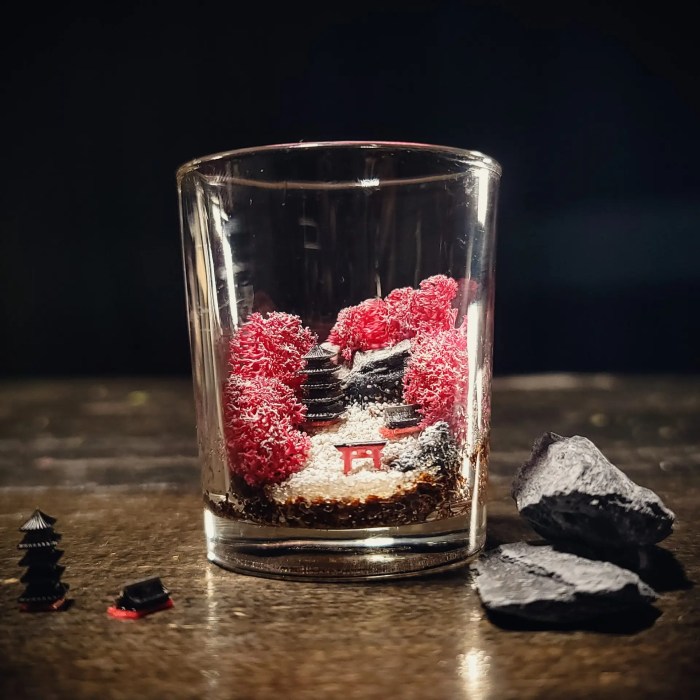
Japanese closed terrariums, or kokedama-inspired miniature ecosystems, demand meticulous attention to detail, particularly in container selection and sealing methods. The choice of materials profoundly impacts the terrarium’s aesthetic appeal, longevity, and overall ambiance. The interplay of textures and colors, carefully selected, can evoke a serene and tranquil atmosphere, mimicking the natural beauty of a miniature forest.The material selection is not merely decorative; it significantly influences the terrarium’s ability to retain moisture and support the delicate balance of the ecosystem within.
The proper sealing techniques prevent moisture loss and maintain a stable microclimate, vital for the health and thriving of the plants.
Container Types
Containers for Japanese closed terrariums are diverse, extending beyond simple glass jars. Common choices include glass domes, ceramic pots, and even intricately crafted wooden boxes. Each material offers a distinct aesthetic and contributes to the overall character of the terrarium. The selection of containers is driven by the desired aesthetic, the scale of the ecosystem, and the types of plants to be housed.
Significance of Materials
Wood, stone, and ceramic, often used in traditional Japanese aesthetics, play a significant role in shaping the terrarium’s visual identity. Wood brings a natural warmth and rustic charm, echoing the beauty of Japanese gardens. Stone, with its inherent strength and varied textures, adds a sense of grounded stability and an element of nature’s permanence. Ceramic, with its versatility in form and color, provides a refined and polished contrast to the natural materials.
Creating a Sealed Environment
Creating a sealed terrarium environment requires careful consideration of the materials and techniques employed. A key element is ensuring a tight seal to prevent moisture loss. This is crucial for maintaining the humidity levels necessary for the plants’ survival. Various methods are employed, including specialized sealant for glass, silicon sealant for ceramics, or specially designed lids for wooden containers.
The method chosen depends heavily on the container material and the desired aesthetic.
Innovative Materials
Beyond the traditional materials, innovative choices can elevate the terrarium’s visual appeal. For instance, using translucent resin allows light to penetrate while maintaining a moisture-retention seal. Recycled materials, like repurposed glass bottles or salvaged wood, can create a unique and environmentally conscious terrarium. Using materials like moss-covered bark pieces or driftwood can evoke a sense of depth and natural layering.
Securing the Seal
Securing the terrarium’s seal is paramount. A leak can drastically alter the internal microclimate, potentially harming the plants. Specialized sealants, designed for various materials, are essential for achieving a tight seal. The application of sealant must be meticulous, ensuring complete coverage and a clean finish. Regular checks of the seal are vital to maintain the terrarium’s integrity.
Table of Container Materials
| Material | Aesthetics | Durability | Cost |
|---|---|---|---|
| Glass | Transparent, allows light penetration, versatile | High, relatively impact resistant | Moderate |
| Ceramic | Elegant, various shapes and colors, can be highly decorative | High, durable | Variable, depends on quality and design |
| Wood | Rustic, natural, adds warmth | Medium, depends on wood type and construction | Variable, depends on wood type and craftsmanship |
| Resin | Translucent, modern, unique visual effect | High, resistant to cracking | High |
Environmental Considerations
Japanese-style closed terrariums, meticulously crafted miniature ecosystems, demand careful attention to environmental factors. Maintaining a thriving microcosm requires a delicate balance of humidity, temperature, ventilation, and lighting. Ignoring these crucial elements can lead to the demise of the delicate plant life within.Proper environmental control is paramount to the success of a closed terrarium. Ignoring these factors can quickly result in a thriving microcosm becoming a dying one, as the delicate balance of the ecosystem is disrupted.
Understanding and implementing these controls will ensure the long-term health and beauty of the terrarium.
Proper Ventilation
Adequate ventilation is essential to prevent the buildup of excess moisture and harmful gases. Poor ventilation can lead to fungal growth, root rot, and the eventual death of plants. This is critical for the long-term health of the terrarium. Using materials with small gaps or openings, strategically placed, can allow for the exchange of air, mitigating these issues.
Consider using materials like mesh screens or perforated plastic for optimal airflow.
Humidity and Temperature Control
Precise humidity and temperature regulation are critical to plant health within a closed terrarium. Excessive humidity can promote the growth of mold and mildew, while inadequate humidity can lead to dehydration. Similarly, fluctuating temperatures can stress the plants, inhibiting their growth and potentially causing damage. Maintaining a consistent environment is vital for optimal growth and aesthetics. Consider using humidity trays or dehumidifiers to control these conditions.
Temperature fluctuations should be minimized by placing the terrarium in a stable location, away from drafts and direct sunlight.
Maintaining a Balanced Ecosystem
A healthy terrarium ecosystem depends on a balance between the plants, soil, and microorganisms. Maintaining a balanced ecosystem involves ensuring the soil’s moisture content is suitable for the plants’ needs. Monitoring the health of the plants, and adjusting watering or humidity as needed, are crucial steps. A thriving terrarium requires a harmonious interaction of all its components.
A healthy ecosystem is self-regulating to some extent.
Appropriate Lighting
Lighting plays a crucial role in both the health and aesthetics of the terrarium. The type and intensity of light will significantly impact the growth and coloration of the plants. Insufficient light can result in weak growth, while excessive light can lead to bleaching or burning. The appropriate lighting will ensure the terrarium’s plants receive the optimal light spectrum for photosynthesis.
This is crucial to maintain the vibrant coloration and healthy growth of the plants. Using artificial grow lights can help replicate natural sunlight conditions.
Regular Cleaning and Maintenance
Regular cleaning and maintenance are vital to maintain a pristine and healthy terrarium. This involves removing debris, cleaning the glass, and inspecting the plants for signs of disease or damage. Regular inspection and maintenance will help prevent issues from arising. This includes removing any decaying plant matter or algae, and cleaning any buildup on the glass to maintain clarity and aesthetics.
This simple practice is key to the terrarium’s long-term health.
Methods for Controlling Humidity and Temperature
| Method | Effectiveness | Cost | Complexity |
|---|---|---|---|
| Humidity Trays | Moderate | Low | Low |
| Dehumidifiers | High | Medium | Medium |
| Controlled Environment Chambers | High | High | High |
| Strategic Placement | Low | Low | Low |
The table above provides a comparative overview of methods for controlling humidity and temperature. The choice of method will depend on factors such as the size of the terrarium, the desired level of control, and the budget. Each method has its own set of advantages and disadvantages, and selecting the best one depends on the specific needs of the terrarium.
Visual Representation

Japanese closed terrariums, a testament to meticulous craftsmanship and serene aesthetics, transcend mere container gardening. Their visual appeal hinges on a delicate balance of nature’s artistry and mindful design. Beyond the practical, these miniature ecosystems offer a captivating glimpse into the principles of harmony and minimalism that define Japanese aesthetics.
Visual Appeal and Design Ideas
Japanese aesthetics emphasize harmony, simplicity, and natural elements. Visual appeal in a closed terrarium translates to a careful orchestration of these elements. The visual arrangement of plants, materials, and the overall composition must evoke a sense of tranquility and balance. Consider the interplay of textures, shapes, and colors to create a harmonious whole.
Examples of Visually Appealing Setups
Several examples showcase the captivating visual potential of these terrariums. A setup might feature miniature bonsai trees, moss, and carefully selected rocks arranged to mimic a miniature mountain landscape. Another could use vibrant moss varieties with strategically placed, sleek stones to evoke a Zen garden. The possibilities are as vast as the imagination, emphasizing the interplay of nature and human artistry.
Design Inspiration and Visual Harmony
Drawing inspiration from Japanese gardens and art forms provides a wealth of ideas. The concept of wabi-sabi, appreciating the beauty of imperfection and natural aging, can be applied to plant selection and terrarium construction. Minimalism, often reflected in the use of neutral colors and unadorned materials, further enhances the serene aesthetic. The importance of visual harmony stems from the idea that each element contributes to the overall tranquility and sense of completion.
Table of Japanese Closed Terrarium Designs
| Image | Design Elements | Aesthetic | Inspiration |
|---|---|---|---|
| A terrarium featuring a miniature bonsai pine tree nestled amongst carefully arranged moss and small, smooth river stones. The glass enclosure allows the natural beauty of the plants and stones to shine through. | Miniature bonsai, moss, river stones, natural light | Calm, serene, minimalist | Japanese rock gardens, bonsai traditions |
| A terrarium showcasing a variety of miniature ferns and mosses in varying shades of green, with a few strategically placed, polished black stones. | Variety of moss and ferns, black stones, neutral background | Earthy, organic, tranquil | Japanese forest landscapes, appreciation for nature’s textures |
| A terrarium with a mix of succulents, such as sedums, nestled in a bed of gravel and sand. Small, meticulously placed, glazed ceramic figurines might be incorporated. | Succulents, gravel, sand, ceramic figurines | Rustic, charming, inviting | Japanese tea gardens, delicate craftsmanship |
| A terrarium emphasizing a single, vibrant moss variety, showcasing its intricate details and textures. | Single moss type, smooth, natural wood accents | Monochromatic, detailed, meditative | Wabi-sabi aesthetic, appreciation for the subtle beauty in nature |
Maintaining the Aesthetic
Preserving the delicate beauty of a Japanese closed terrarium demands meticulous attention to detail. Beyond the initial design and plant selection, ongoing maintenance is crucial for sustaining the miniature ecosystem and its aesthetic appeal. Proper care ensures the plants thrive, maintaining the vibrant colors and textures envisioned in the design.Maintaining a thriving closed terrarium requires consistent observation and proactive problem-solving.
This approach allows for early intervention, preventing potential damage to plants and the overall visual integrity of the ecosystem. The environment within the terrarium, being self-contained, is particularly susceptible to shifts in moisture, temperature, and light levels.
Plant Care and Watering
Proper watering is fundamental to plant health. Overwatering leads to root rot, while underwatering results in wilting and eventual death. A crucial aspect is understanding the specific needs of the chosen plants. Some plants require more frequent watering than others. Monitoring the soil moisture is key; a moisture meter can be a valuable tool for this purpose.
The goal is to maintain a consistent, balanced level of moisture without saturating the soil. Avoid excessive misting, which can lead to fungal growth. Instead, focus on watering the soil directly, ensuring even distribution of moisture.
Fertilizing
Appropriate fertilization is essential for maintaining the vibrancy and health of the plants. Too much fertilizer can burn the roots, while too little can lead to stunted growth. Use a slow-release, balanced fertilizer formulated for use in terrariums. Apply fertilizer sparingly, following the manufacturer’s instructions carefully. Observe the plants for any signs of nutrient deficiencies or excesses.
Adjust the frequency of fertilization based on plant growth and the overall health of the terrarium ecosystem.
Monitoring the Terrarium Environment
Close monitoring of the terrarium’s microclimate is essential. Temperature fluctuations, humidity levels, and light exposure all play a significant role in plant health and aesthetic maintenance. Regularly check the temperature and humidity levels within the terrarium. Adjust the placement of the terrarium to ensure optimal light exposure for the plants. Maintain a consistent environment as much as possible, minimizing sudden changes.
Resolving Issues
Addressing potential issues promptly is critical to maintaining the aesthetic. For example, if mold or fungus appears, identify the source and address it immediately. If a plant shows signs of distress, investigate the possible cause (e.g., pests, diseases, improper watering). Using appropriate solutions, such as fungicides or insecticides, can be crucial in preventing further damage to the terrarium’s delicate ecosystem.
Maintaining Visual Appeal
Maintaining the terrarium’s visual appeal involves regular cleaning and maintenance. Remove any dead leaves or debris. Ensure the substrate is kept clean and aesthetically pleasing. Consider adding new elements, like small rocks or decorative items, to keep the terrarium visually engaging over time. Regular trimming of plants will also help maintain the desired shape and aesthetic.
Table of Common Problems in Closed Terrariums
| Problem | Cause | Solution | Prevention |
|---|---|---|---|
| Mold/Fungus | High humidity, poor ventilation, overwatering | Reduce humidity, improve ventilation, adjust watering schedule | Proper watering, adequate ventilation, use appropriate substrate |
| Wilting Plants | Underwatering, overwatering, insufficient light, pests | Adjust watering frequency, check for pests, increase light exposure | Regular watering checks, pest monitoring, proper light placement |
| Yellowing Leaves | Nutrient deficiencies, over-fertilization, improper light | Adjust fertilizer application, ensure proper light levels, supplement nutrients | Regular fertilization checks, proper light exposure, soil testing |
| Root Rot | Overwatering, poor drainage | Reduce watering, improve drainage, repot with better drainage material | Appropriate watering schedule, use well-draining soil mix |
Beyond the Basics

Elevating a closed terrarium from a simple display to a captivating work of art requires a nuanced approach. Moving beyond the foundational elements of plant selection and container choice, creative interpretations, strategic additions, and a keen eye for detail are key to achieving a truly unique and immersive experience. This exploration delves into innovative techniques and considerations for transforming a basic closed ecosystem into a miniature masterpiece.Japanese aesthetics, often emphasizing simplicity and harmony, can be seamlessly integrated into more intricate designs.
The delicate balance between nature and curated artistry is what elevates a basic terrarium to a work of miniature art.
Creative Interpretations
A core principle of Japanese aesthetics is the concept of “wabi-sabi,” embracing the beauty of imperfection and natural asymmetry. This can be translated into a closed terrarium by intentionally choosing plants with varying textures and forms, creating a sense of natural dynamism. For instance, a terrarium showcasing succulents with their varied shapes and textures alongside mosses and ferns can effectively convey this aesthetic.
Another approach is to highlight the unique qualities of individual plants, allowing their natural beauty to shine through, rather than forcing a perfect, symmetrical arrangement.
Incorporating Decorative Elements
Miniature figurines, carefully selected to complement the overall theme, can add another layer of depth and intrigue. These figurines, often crafted in a style that aligns with the aesthetic, can represent miniature scenes from nature or even Japanese folklore, adding a captivating element to the miniature world. For instance, tiny figurines of animals, such as deer or foxes, or even figures from Japanese mythology, can be strategically placed to create narratives within the closed terrarium.
The selection of figurines should be deliberate, ensuring they enhance, rather than detract from, the natural beauty of the plants.
Lighting Techniques
Strategic lighting can dramatically alter the ambiance of a closed terrarium. The use of ambient lighting, such as subtle LED strips, can create a soft, diffused glow that highlights the plants and their forms. Alternatively, focused spotlights can highlight specific plants or features, adding depth and dimension. Experimentation with different light colors, such as warm white or cool white, can also influence the overall mood and visual impact.
Consider using colored lights to evoke a specific feeling, for example, warm yellow tones to evoke a sense of comfort and intimacy.
Innovative Plant Arrangements and Container Choices
Beyond the traditional glass containers, exploring unique and unconventional containers can add a distinctive character. Consider using intricately patterned ceramic pots, weathered wood boxes, or even repurposed materials like vintage teacups or antique apothecary jars. In plant arrangements, consider incorporating a variety of textures and heights to create visual interest. Layered arrangements of moss, succulents, and small air plants can contribute to a sense of depth and complexity.
The Role of Accessories
Accessories, such as miniature bridges, rocks, or carefully chosen stones, can create a more immersive environment. These elements can enhance the visual narrative and add depth to the scene. For example, adding miniature waterfalls or streams, constructed from small stones and water features, can evoke a serene and tranquil atmosphere. The careful selection and placement of accessories should reinforce the chosen aesthetic, whether it is a tranquil forest scene or a vibrant jungle setting.
Innovative Design Elements
| Element | Description | Aesthetic | Applicability |
|---|---|---|---|
| Layered Moss Garden | Creating multiple layers of moss with varying textures and heights, using different types of moss for depth and visual interest. | Wabi-sabi, natural | Ideal for showcasing the beauty of natural textures and organic forms. |
| Miniature Waterfall | Constructing a miniature waterfall using small stones and water features within the terrarium. | Tranquil, Zen-like | Suitable for creating a serene and meditative atmosphere. |
| Floating Island Arrangement | Creating an arrangement where plants and decorative elements appear to float on a layer of water or a transparent medium. | Modern, ethereal | Perfect for showcasing the delicate beauty of floating plants and elements. |
| Repurposed Material Containers | Using unique and unconventional containers, such as vintage teacups, antique jars, or weathered wooden boxes. | Rustic, vintage, eclectic | Suitable for adding a touch of character and uniqueness to the terrarium. |
History and Culture
Japanese appreciation for miniature landscapes, or
- bonsai* and
- penjing*, predates the modern closed terrarium aesthetic. These traditions, deeply rooted in the nation’s cultural identity, offer a profound connection to nature and the cosmos. The meticulous crafting and symbolic representation found in these art forms have profoundly influenced the design and construction of contemporary closed terrariums, adding a layer of historical depth and cultural significance.
The Japanese aesthetic, with its emphasis on harmony, simplicity, and the beauty of impermanence, resonates powerfully with the concept of a closed terrarium. The controlled microcosm of a terrarium reflects the Japanese worldview, where nature is not merely a backdrop, but an integral part of daily life and artistic expression. This connection is exemplified in the meticulous attention to detail and the symbolic language inherent in the design.
Historical Context of Miniature Landscapes
The appreciation for miniature landscapes in Japan has a long and complex history, deeply entwined with the country’s spiritual and philosophical traditions. From the earliest forms of
- roji* (rock gardens) to the highly developed techniques of
- penjing*, the art of creating miniature worlds reflects a desire to capture and contemplate the essence of nature. The emphasis on simplicity, tranquility, and the appreciation of the subtle beauty of nature resonates deeply within Japanese culture.
Connection to Traditional Japanese Art Forms
Japanese closed terrariums are a contemporary expression of ancient artistic traditions. The concept of
- wabi-sabi*, with its acceptance of imperfection and impermanence, is deeply interwoven with the design of these miniature landscapes. The principles of
- wabi-sabi* find their parallel in the intentional imperfection and natural aesthetic of the terrarium, reflecting a harmony between artifice and nature. Other traditional Japanese art forms, such as calligraphy, painting, and poetry, often depict scenes of nature, mirroring the delicate beauty and nuanced symbolism found within these miniature ecosystems.
Cultural Significance of Nature in Japanese Society
Nature plays a vital role in Japanese society, influencing its aesthetics, philosophies, and daily life. Shinto, an ancient indigenous religion, emphasizes the interconnectedness of humans with nature, viewing natural elements as divine. This reverence for nature is evident in the meticulous detail and careful selection of plants and materials in Japanese closed terrariums. The deliberate inclusion of specific elements within the terrarium, often with deep cultural and symbolic meanings, reinforces this profound connection.
Symbolism of Elements Within Japanese Closed Terrariums
The elements incorporated into Japanese closed terrariums often carry symbolic weight. Rocks, for example, can represent mountains or islands, evoking a sense of tranquility and vastness. Water features, even miniature ones, can represent the fluidity of life and the cyclical nature of nature. Plants, carefully chosen for their form and symbolism, can represent different aspects of life, from prosperity to longevity.
The selection of elements is intentional, allowing for the creation of a miniature world with its own nuanced narrative.
Historical Influences on Japanese Closed Terrarium Design
The development of Japanese closed terrariums is influenced by a rich tapestry of historical and artistic traditions. The emphasis on
- wabi-sabi*, the aesthetic appreciation for the natural beauty of imperfection and impermanence, is a key driver. Further, the art of
- penjing* and
- bonsai* profoundly shaped the aesthetic and technical approach to creating these miniature ecosystems. The delicate balance between nature and human intervention, a cornerstone of these traditional art forms, finds a contemporary expression in the creation of a carefully curated closed terrarium.
Historical Progression of Miniature Landscape Art in Japan
| Period | Features | Materials | Influences |
|---|---|---|---|
| Heian Period (794-1185) | Early development of
|
Rocks, gravel, sand | Buddhist principles of meditation and contemplation. |
| Edo Period (1603-1868) | Rise of
|
Pottery, rocks, trees | Zen Buddhism, emphasis on simplicity and natural beauty. |
| Meiji Period (1868-1912) | Formalization of
|
Variety of materials, including imported elements | Growing exchange with Western aesthetics; focus on precision and artistry. |
| Showa Period (1926-1989) | Continued refinement of
|
Advanced techniques in plant care and potting. | Increased accessibility and interest in the art forms. |
| Heisei Period (1989-2019) | Contemporary
|
Innovative materials and techniques. | Contemporary aesthetics and interest in microcosms. |
Inspiration and Exploration
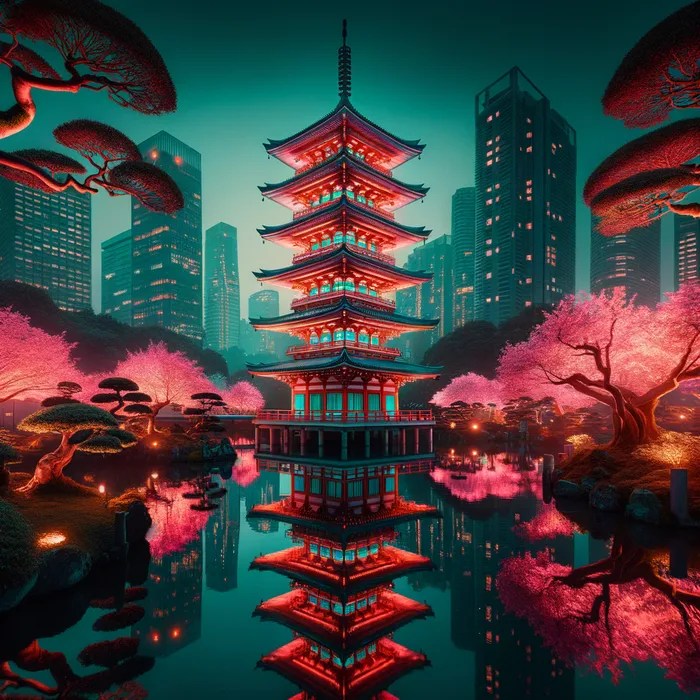
The Japanese closed terrarium aesthetic, with its focus on miniature landscapes and meticulous artistry, draws inspiration from a rich tapestry of cultural and artistic traditions. This meticulous approach, emphasizing harmony and balance, resonates with contemporary design trends. Exploring this aesthetic allows us to understand the enduring appeal of miniature worlds and the ongoing dialogue between traditional practices and modern interpretations.Contemporary designers and artists are increasingly integrating elements of this aesthetic into their work, creating unique expressions that reflect the enduring beauty and sophistication of the tradition.
The careful selection of materials, plants, and design principles fuels a continuing evolution, pushing the boundaries of this captivating art form.
Contemporary Artists and Designers
Contemporary artists and designers are actively incorporating elements of the Japanese closed terrarium aesthetic into their broader creative practice. This fusion is evident in the use of meticulously arranged miniature landscapes, the selection of carefully chosen plants, and the thoughtful consideration of materials. For example, some artists might create terrariums that evoke specific Japanese gardens, while others might focus on contemporary interpretations of natural forms and patterns.
This blending of traditional techniques with contemporary sensibilities results in visually captivating and emotionally engaging works.
Resources for Further Exploration
Numerous resources offer detailed information on the Japanese closed terrarium aesthetic. Books provide in-depth analyses of design principles, plant selection, and construction techniques. Online resources offer tutorials, inspiration, and community forums for sharing knowledge and ideas. The combination of books and online resources provides a rich and comprehensive learning experience for anyone interested in exploring this craft.
Future of the Japanese Closed Terrarium Aesthetic
The Japanese closed terrarium aesthetic is poised for continued evolution and expansion. The incorporation of sustainable practices and innovative materials will likely play a crucial role in shaping its future direction. The emphasis on creating miniature ecosystems that mirror natural beauty, combined with contemporary design sensibilities, suggests a dynamic future for this artistic expression. As with other art forms, the future will likely see a blending of tradition and innovation, leading to exciting new expressions of this art.
Websites and Books
A wealth of information on Japanese closed terrariums is readily available through both online resources and print publications.
- Websites such as Pinterest and Instagram offer visual inspiration and detailed tutorials on terrarium design and construction. These visual platforms are valuable resources for discovering new techniques and exploring diverse interpretations of the aesthetic.
- Numerous books delve into the history, design principles, and practical aspects of creating Japanese closed terrariums. These publications offer detailed insights into the art form’s cultural context and technical aspects.
Potential Avenues for Expanding on the Topic
Further exploration of this topic could involve examining the intersection of Japanese closed terrariums with other art forms, such as bonsai or ikebana. Another avenue for expansion could be a detailed analysis of the use of sustainable and ethically sourced materials in closed terrarium construction. These avenues for exploration could lead to a deeper understanding of the broader cultural and artistic implications of this fascinating aesthetic.
Table of Resources and Examples
| Resource | Description | Category | Inspiration |
|---|---|---|---|
| Artist 1 Website | Portfolio showcasing intricate, miniature landscapes within closed terrariums. | Contemporary Artist | Traditional Japanese gardens, minimalist design |
| Artist 2 Website | Focuses on sustainable terrarium construction using recycled materials. | Contemporary Artist | Environmental consciousness, upcycling |
| Book on Japanese Terrariums | Comprehensive guide to design principles, plant selection, and construction techniques. | Reference Book | Traditional Japanese aesthetics, horticultural principles |
| Website on Terrarium Building | Provides detailed tutorials, inspiration, and community forums for terrarium enthusiasts. | Online Resource | Sharing knowledge, community engagement |
End of Discussion
Japanese closed terrariums offer a captivating blend of artistry, nature, and meticulous craftsmanship. By understanding the core design principles, material choices, and plant selection, enthusiasts can create their own miniature masterpieces. Beyond the practical aspects, these terrariums offer a unique connection to Japanese aesthetics and the beauty of miniature landscapes, making them a truly captivating and rewarding hobby.
